
This blog is based on Roy Ballam's No Ingredients, no learning? Tackling the real cost of food education in schools presentation at the recent Big D&T Meet.
No ingredients, no learning: Why food lessons need proper funding
Food lessons are practical. Practical lessons need ingredients. And ingredients cost money.
For secondary food teachers, this is not news. Every week, departments are balancing learning, budgets, forgotten ingredients, family pressures, dietary needs, rising food prices and limited technician support.
Too often, food education only works because teachers make it work.
But food education is not ‘free’ just because it is not properly budgeted for. The cost is still there. It is carried by families, departments, teachers, or by pupils who miss out.
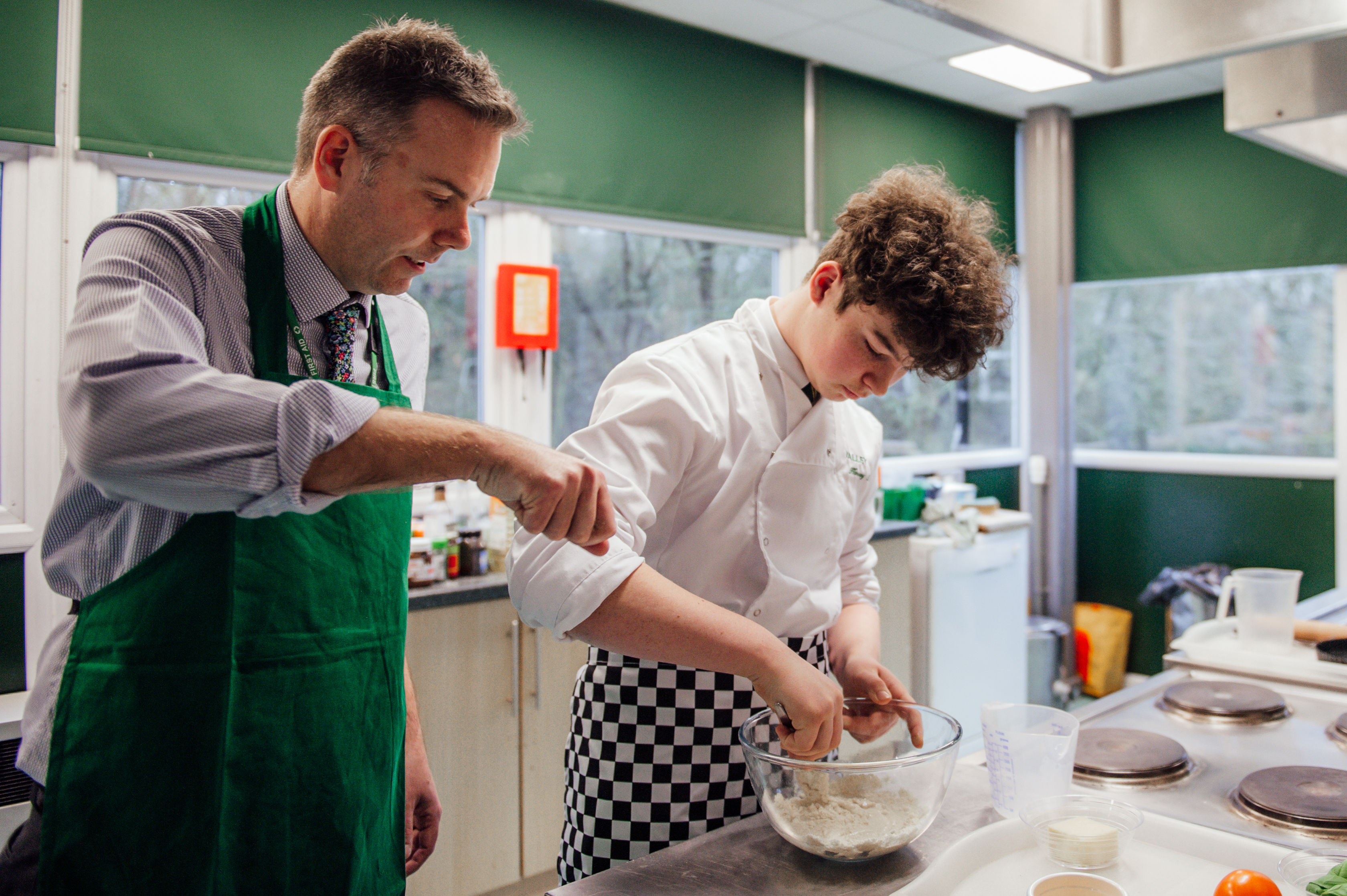
When pupils cannot bring ingredients or pay contributions, they can lose more than a lesson.
They lose time developing food skills, confidence, independence, food safety routines, sensory understanding and the ability to make informed food choices.
Cost should not decide who gets to cook.
The answer is not to make food education as cheap as possible. A low-cost curriculum should not mean low-skill, low-nutrition or low-ambition practical work. The real aim is to make food education planned, funded, inclusive and worth every penny!
That starts with knowing the cost of the curriculum.
- Which recipes are the most expensive?
- Which ingredients drive the cost?
- Which practicals give the best learning return?
- Which higher-cost lessons are worth protecting because they teach something pupils cannot easily learn another way?
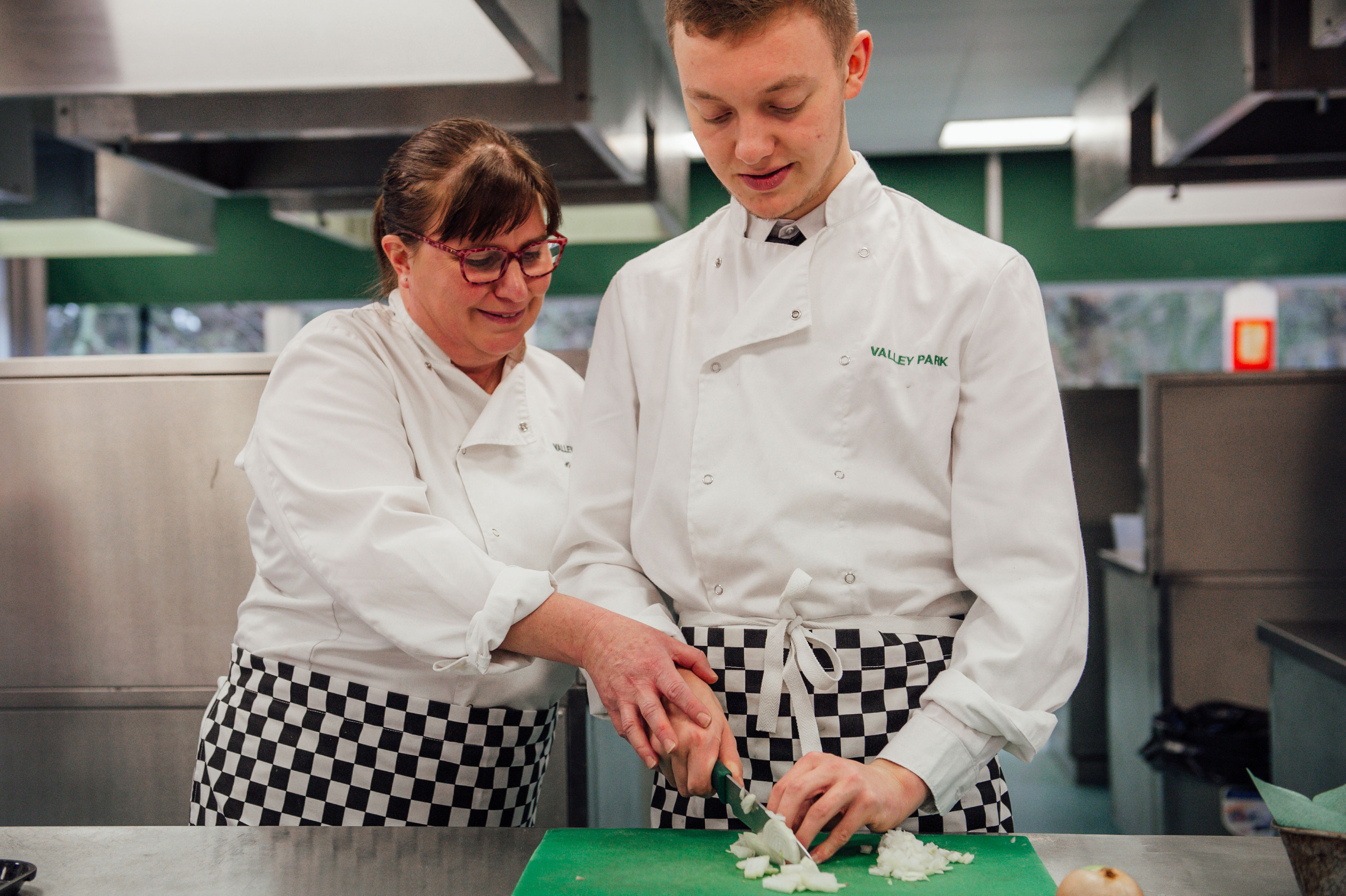
There are practical ways to manage costs without weakening learning.

Departments can use smaller portions, sequence recipes around shared ingredients, use seasonal, frozen or canned foods, swap higher-cost proteins for beans, lentils, eggs or canned fish, and use paired practicals where appropriate. Dishes can also be made to go further by adding beans and pulses (increasing the number of portions) or the meat content can be reduced and supplemented with beans or pulses (reducing the cost).
From a food literacy and learning intent perspective, these are all valuable skills because they help pupils understand how recipes can be adapted to meet different needs, whether that's a tighter budget, increasing fibre, reducing saturated fat, or making meals more environmentally sustainable, without feeling that they have to give up familiar dishes
Higher-cost ingredients can still have a place, but they should be used strategically.
Schools also need clear ingredient policies. No pupil should be unable to take part because of cost. Teachers should not have to subsidise lessons personally. Families should know what is expected, when, and what support is available. Senior leaders need to understand the real annual cost of delivering practical food education properly.
Food teachers can take five actions back to school:
1. Cost the current practical curriculum.
2. Identify the main cost drivers.
3. Decide which higher-cost lessons are worth protecting.
4. Review the school’s ingredient provision policy.
5. Make the case to SLT for fair, planned funding.

Food education matters. It supports health, independence, life skills, wellbeing, careers, sustainability and informed consumer choice.
No ingredients means no learning. And if we want pupils to value food education, schools need to fund it like it matters.
Planning practical cookery lessons on a budget
The following resources can be used to support food and nutrition department budgeting and also pupils' learning around planning, selecting, cooking and eating in healthier, more affordable and more sustainable ways.
Further resources and spreadsheets to support with recipe costing can be found in the Planning what to cook area of the Food - a fact of life website.
Cooking on a budget fact sheet
A fact sheet around cooking on a budget: Healthy, affordable dishes.
Cooking on a budget practical workshop
A PPT presentation from the Cooking on a budget practical workshop.
Cooking on a budget: Healthy, affordable dishes activities
A selection of classroom activities to support pupils around cooking on a budget.
Budgeting
A presentation looking at budgeting (to support the food life skills modules).
Working to a budget
An activity to calculate the cost of a recipe and suggest how this could be reduced.
Working to a budget
An activity to calculate the cost of a recipe and suggest how this could be reduced.
The economy of food
A presentation exploring the key aspects of food choice and cooking on a budget.
The economy of food presentation
A presentation exploring the key aspects of cooking on a budget.
Is there something wrong with the page? Do you have a suggestion or would like to see something on this page?