
Topic hub: Why food careers matter and how teachers can lead the way
Welcome back to our topic hub. This topic hub is your one stop shop for all things careers to inspire your students for their future possibilities!
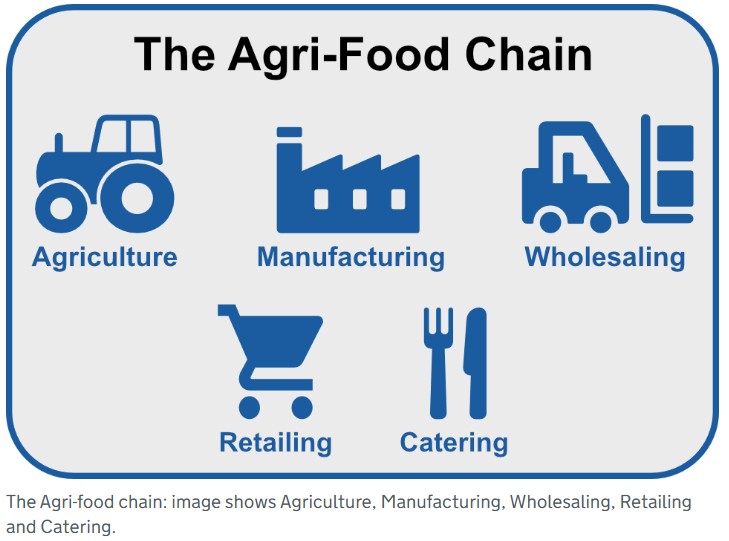
Careers in ‘food’, from farm to fork, often known as the agri-food chain, play a vital role in everyday life in the UK. They support millions of jobs and contribute significantly to the economy, while helping to keep the nation fed and healthy in a safe and sustainable way.
However, many pupils and families are not fully aware of the wide range of careers available across farming, manufacturing, retail, food services and health or how interests in food and nutrition, science, technology, business and sustainability can lead to real job opportunities. Food and nutrition teachers are ideally placed to help pupils make these connections and see where their learning could take them in the future.
From food lessons to future pathways
Our Careers in food area provides a suite of free, classroom ready resources that bring careers to life and show learners the many ways they can engage with food beyond their daily meals.
Whist our resources may appear more suitable for secondary aged pupils, introducing career awareness at primary age is particularly important as children begin forming ideas about ‘jobs for me’ from a young age, often influenced by what they see around them. Exploring food-related careers, using the Food – a fact of life resources, at an early age helps pupils develop positive links with subjects like food and nutrition, science and design and technology, as well as topics such as wellbeing and sustainability, long before they need to make any career decisions. Early exposure helps children widen their ambitions, challenge assumptions about who works in food and farming, and feel that there is a place for them in the sector, whatever their background.
In addition to the resources in the Careers in food area, you will also find links to working in food in the Learn with stories, 5-7 years and 7-11 years, and food commodities areas for each age phase, e.g. being a fisher.
Here’s what else is available and how teachers can use these resources:
1. Careers in food poster
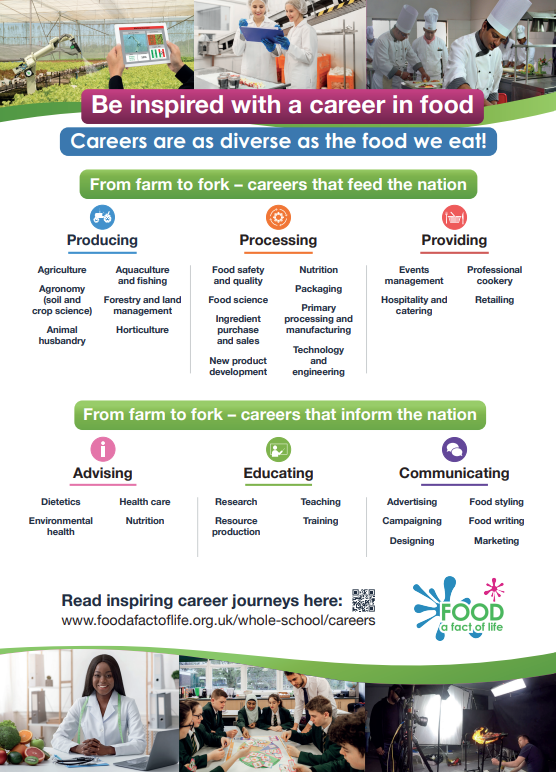
A downloadable classroom poster showcases the broad range of roles in ‘food’ from farming and engineering to food science, nutrition and communications. It’s a great way to launch conversations in classrooms and corridors, helping pupils visualise the range of opportunities available and sparking questions about where their interests might fit.
Use it for:
- displaying as a constant visual reminder of career breadth
- starter activities, e.g. “which role would you try and why?”
- cross-curricula links with science, geography and business lessons
2. Case Studies: careers that feed the nation and inform the nation
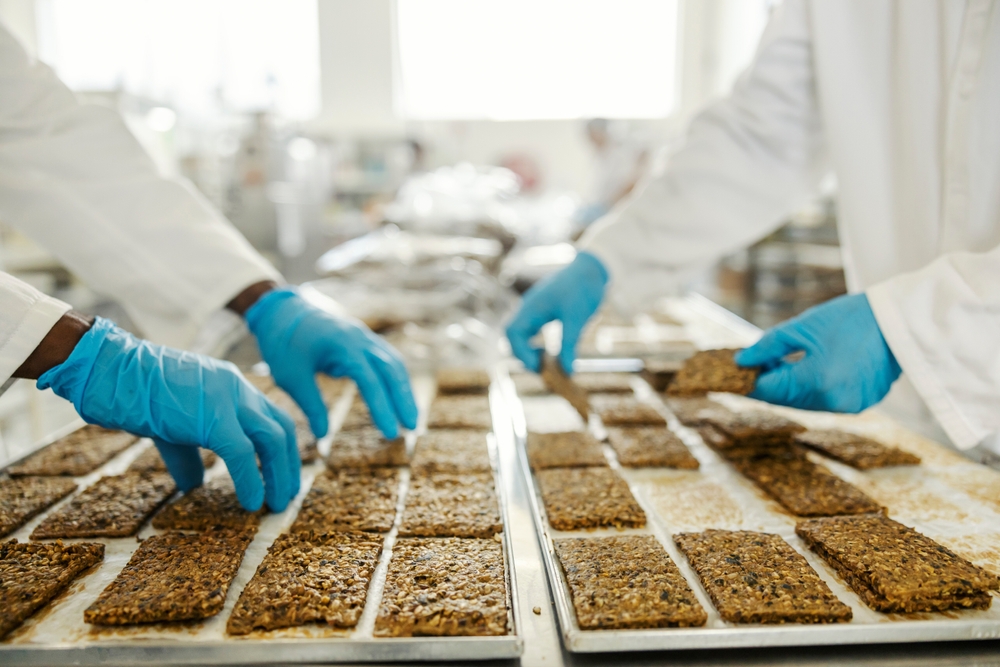
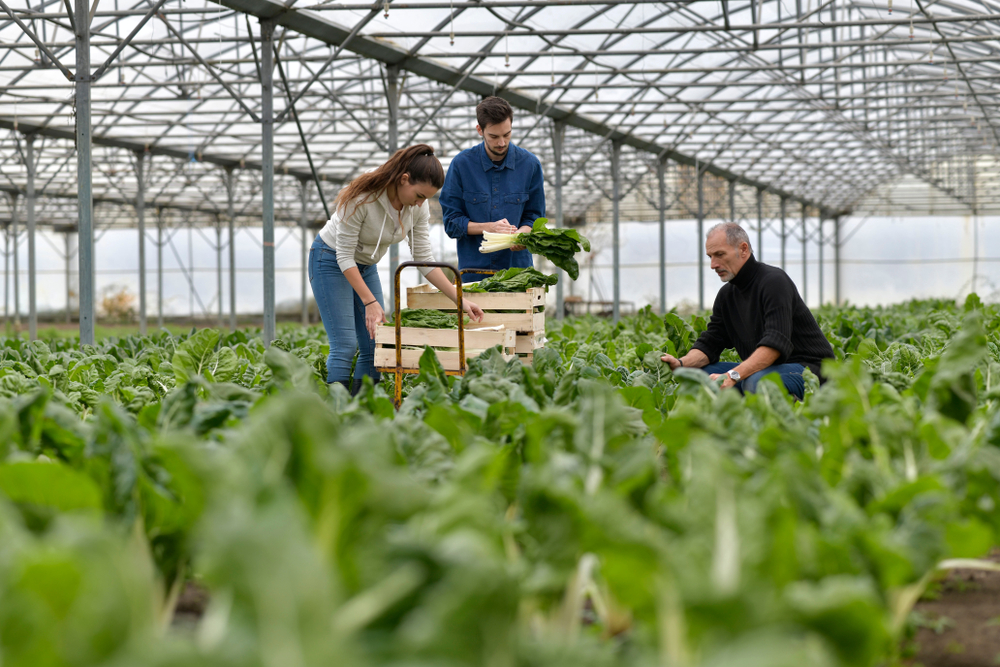
The resources include downloadable case studies of people working in a wide range of food roles, from apprentice food technologists and process managers on the production side to dietitians, food educators, company nutritionists and food communication managers who inform and influence consumers.
Use the case studies to:
- build lesson plans that connect subject skills to real job stories
- inspire pupils with pathways that include apprenticeships, degrees and vocational training
- help pupils see that interests in science, maths, technology and even social media and communications can lead to rewarding careers in food
3. Careers interviews and webinar recordings
There are video interviews and recorded webinars featuring food professionals discussing their career journeys and day-to-day roles. These help students connect classroom learning with real work environments, especially for those who benefit from seeing people ‘on the job.’
Use the careers interviews and webinar recording to:
- support independent or remote learning
- create flipped classroom activities where pupils watch first and discuss next
- show the human stories behind job titles

4. Apprenticeships and career path presentations
The Careers in food area also includes case studies of apprenticeships, slides and recordings that explain how apprenticeships work in food and drink, and how they can be real routes into exciting careers. These resources demystify what might be seen as non-traditional pathways and highlight how young people can earn while they learn.
Use these case studies to
- support careers events and assemblies focused on post-16 pathways
- provide tailored guidance around apprenticeships alongside academic routes
- showcase how skills developed in food and nutrition lessons translate into workplace competencies
Practical classroom ideas for food and nutrition teachers
Here are some targeted ways teachers can embed careers learning using these resources:
1. Integrate career exploration with curriculum topics
- when teaching food science, bring in a case study from a food technologist or research scientist to highlight the role of chemistry in innovation and quality assurance
- link healthy eating lessons with careers in dietetics and public health nutrition by using interviews with dietitians
2. Careers days and National Careers Week
during careers events or National Careers Week, use the ready-made presentations and videos to focus lessons around real food careers
- encourage pupils to prepare questions and allow them to lead discussions
- use resources from the Careers in food area to provide real-world examples that make exploring careers in food easy to understand and engaging for pupils
3. Project-based challenges
Set tasks where learners research a career featured on the poster or in the case studies and present it to the class, linking required skills to what they’re learning in food and nutrition lessons.

Why this matters
As the UK’s food sector continues to change, with a growing focus on technology, sustainability and nutrition, pupils who understand the career options available are better prepared to choose rewarding pathways that also support the needs of the country. Food and nutrition teachers can play a vital role by not only teaching what food is but showing where food knowledge can lead.
Further sources of information:
- Tasty Careers – careers maps and job descriptions
- Chilled Education – interviews with people working in food technology, innovation and NPD and operations
- The Institute of Agriculture and Horticulture - resources, role profiles and information about careers in farming and growing
- Institute of Food Science and Technology – education and careers advice and information
- UCAS – food science and nutrition study options, careers and advice Bottom of Form
If you would like to find out more about careers in ‘food’, why not read our previous blogs?

Is there something wrong with the page? Do you have a suggestion or would like to see something on this page?