
Why school milk matters
Recently I had the pleasure of speaking at a Parliamentary event organised by SNMA (the School and Nursery Milk Alliance) to highlight the important nutritional role that milk plays in children’s diets at all ages. We also launched a new report – Nourishing Growth – co-written with nutrition team at AHDB (the Agriculture and Horticulture Development Board).
Report:
Why does milk matter?
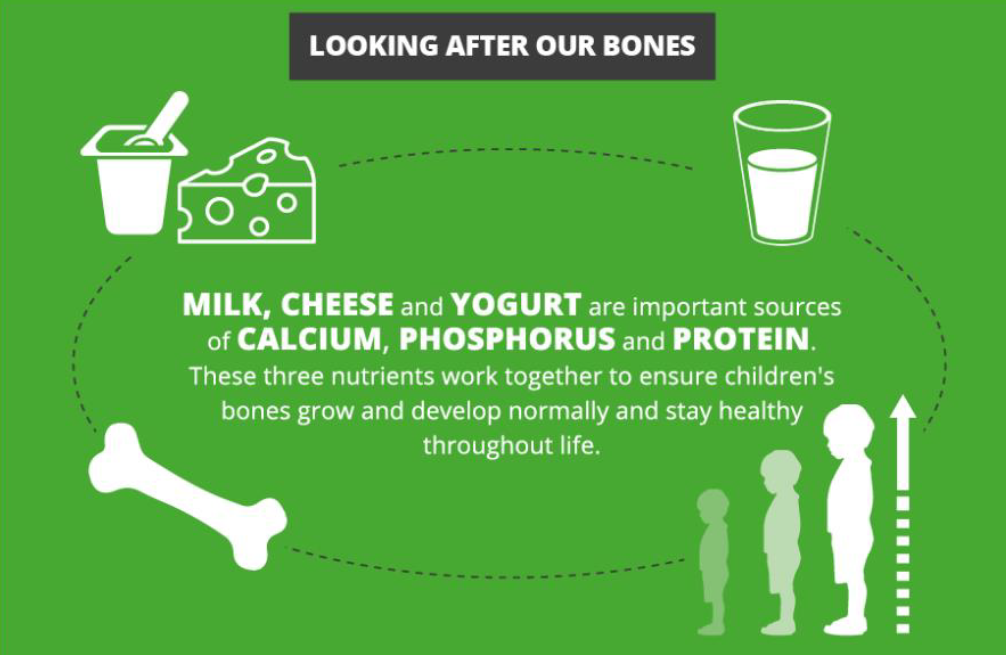
Between the ages of 1 and 18, children grow at an extraordinary rate, doubling their size several times over. Childhood is a formative, non-repeatable window for growth, health, and development. These years also set the foundation for lifelong bone and dental health. By the age of 18, young people have built around 90% of their adult bone strength, with a large portion gained during the teenage growth spurt. Even a small difference in how strong bones become in these early years can have a major effect later in life — a 5–10% higher peak bone strength holds the potential to cut the risk of hip fractures in adulthood by as much as half.
Milk is one of only two drinks (the other being plain water) recommended between meals for good dental health.

Across the UK, children’s diets are falling short of dietary recommendations. The latest results from the National Diet and Nutrition Survey show that sadly, low intakes of vital nutrients are common and rise sharply as children become young people. Intakes of calcium, magnesium, potassium, iron, iodine, zinc, selenium, and vitamins D and B2 are frequently below optimal, particularly among teenage girls.
Source: NDNS Survey 2019-2023
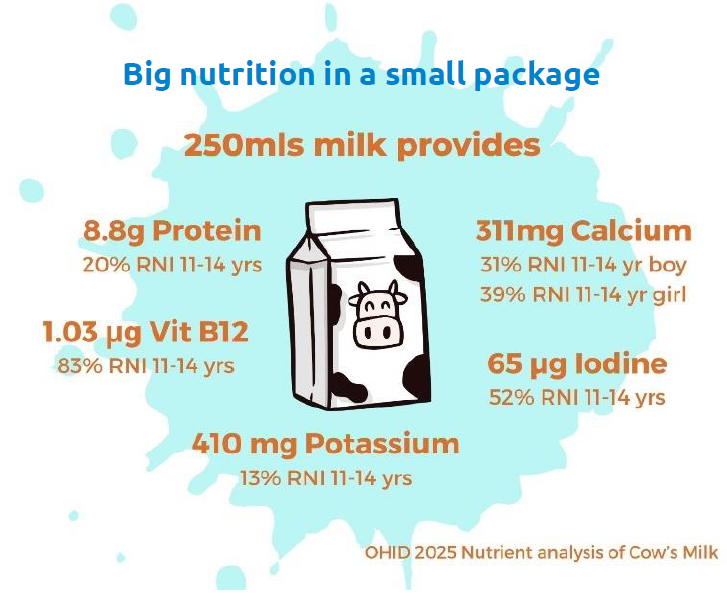
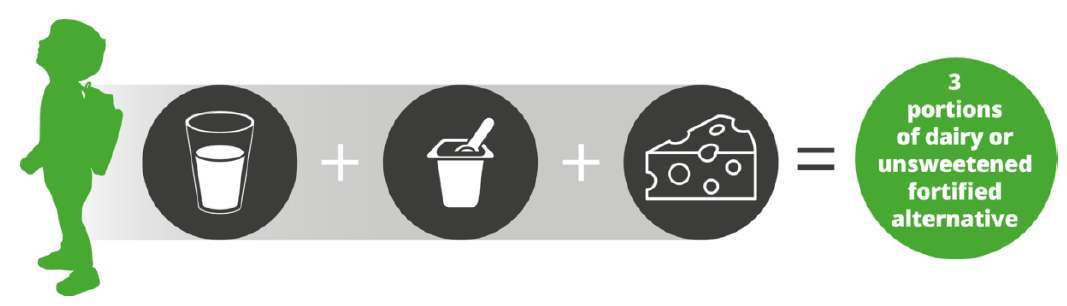
This same survey shows that on average children are consuming just one and a half servings of dairy a day which falls below the generally accepted recommendation of around two to three portions daily. But dairy intakes decline with age, with teenagers consuming barely one portion a day. This matters, because dairy products are among the most nutrient-dense foods children consume.
Milk, yogurt and cheese naturally provide high-quality protein, calcium, vitamin B12, riboflavin and phosphorus - nutrients which are essential for growth, bone development and metabolic health. Milk and dairy foods remain the main dietary source of iodine for young people, a nutrient essential for brain development and cognitive function. Plant-based drinks, while valuable for choice and inclusivity, are not always nutritionally equivalent to dairy, often lacking key micronutrients or containing nutrients with lower bioavailability meaning the body can’t absorb or use them as well. This is particularly concerning for young children. If you choose to use plant-based drinks, either at school or at home, then it is important to check that these are unsweetened, and have added (have been fortified with) vitamin A, riboflavin, vitamin B12, calcium, iodine, and ideally also vitamin D to make these nutritionally comparable to semi-skimmed cows’ milk.
Schools can help to play a role in addressing these gaps. Yet half of eligible schools are not accessing the school milk subsidy, meaning nearly 10 million children miss out on subsidised milk every day. School milk programmes have been shown to support better hydration, stronger bones and improved readiness to learn.
Many children are starting the school day hungry. We know that children who start the day fuelled by breakfast tend to have higher micronutrient intakes, better concentration and improved academic outcomes. Both Breakfast clubs and the availability of subsidised milk in school offer separate opportunities to provide hungry children with the energy and nutrients they need to learn effectively.

Provided allergy issues are managed, there are no negatives arising from the provision of milk in schools, a statement confirmed by an impact equality assessment of school milk published by Food Standards Scotland last year (2025).
Source: Equality Impact Assessment results relating to the Scottish School Milk Subsidy Scheme
All children in UK schools are eligible to receive subsidised milk through the School Milk Scheme. The scheme is voluntary and individual schools choose whether they wish to participate in the scheme.
If you are in England or Wales further information on the School Milk Scheme, including eligibility, how to apply and how to claim, can be found here.
If you are in Northern Ireland information can be found here.
In Scotland, funding is provided to local authorities who each run School Milk Subsidy Schemes to fit local need.
Making milk and dairy accessible in schools and early-years settings is an investment in children’s health, wellbeing, and future potential.
If your school does not benefit from the subsidised milk scheme, and is not providing school milk outside of the lunchtime meal, ask questions why? Is this something that can change to help nourish every child in your care?
How can teachers help?
The provision of milk and dairy in schools can support the well-being, health and academic potential of your pupils. As educators, we can also encourage pupils to consume milk and dairy through our teaching and help to decrease the number of young people with low intakes of vital nutrients.
We have a selection of resources to support the teaching of milk and dairy products.
- Learn with stories: a selection of resources exploring a visit to a diary farm to learn how milk is produced.
- A video detailing the journey of milk from the farm to you and an accompanying quiz.
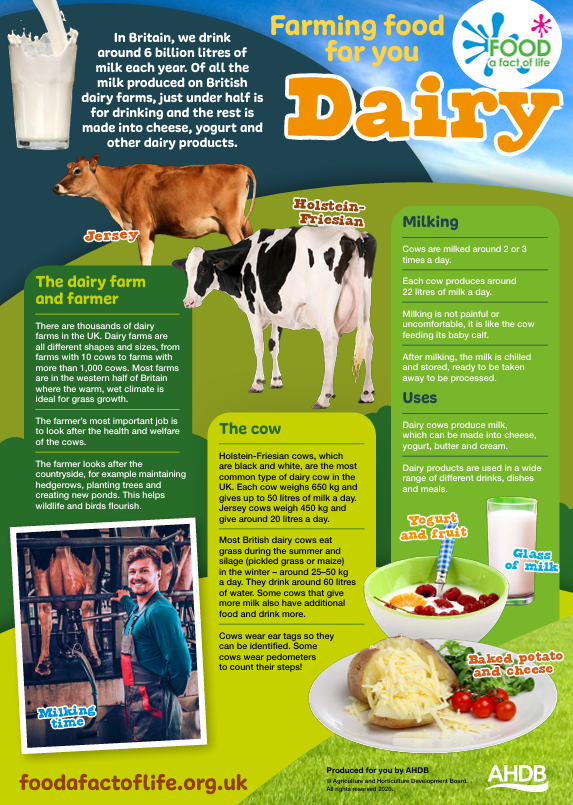
- Farming for you dairy poster.
- Knowledge organisers showing the key facts and information about dairy: 5-7 years, 7-11 years, 11-14 years, 14-16 years.
- A selection of presentations, worksheets and activities for teaching about milk and milk processing.
For more inspiration and resources, check out the Cool Milk website.
Is there something wrong with the page? Do you have a suggestion or would like to see something on this page?