
The following blog takes inspiration from two LinkedIn articles from Nathan Atkinson, co-founder Rethink Food. Cuppa with a Change Maker and a post about healthy vs unhealthy choices.
A ‘good choice’ is rarely just a choice. It’s the result of conditions working together.
When we teach children and young people about food, we often focus on what they should choose - more fruit and vegetables, less sugar, balanced meals. While this guidance is important, it can miss a crucial lesson: food choices are shaped by a range of real-life factors. Helping young people understand these influences not only builds knowledge, but also empathy, confidence, and practical decision-making skills
A useful starting point is to make the invisible visible.
Encourage children to explore the different factors that affect what people eat - time, budget, cooking skills, access to shops, cultural preferences, health needs, and even energy levels.
This can be done through discussion, storytelling, or real-life scenarios. For example, asking ‘What might a family choose for dinner if they only have 20 minutes and £5?’ helps shift thinking away from ideal choices toward realistic ones.

This approach also creates space for empathy. When young people recognise that not everyone has the same resources or opportunities, they are less likely to judge others’ choices and more likely to understand them. This is a key life skill that goes beyond food education.
Practical, hands-on learning is essential.
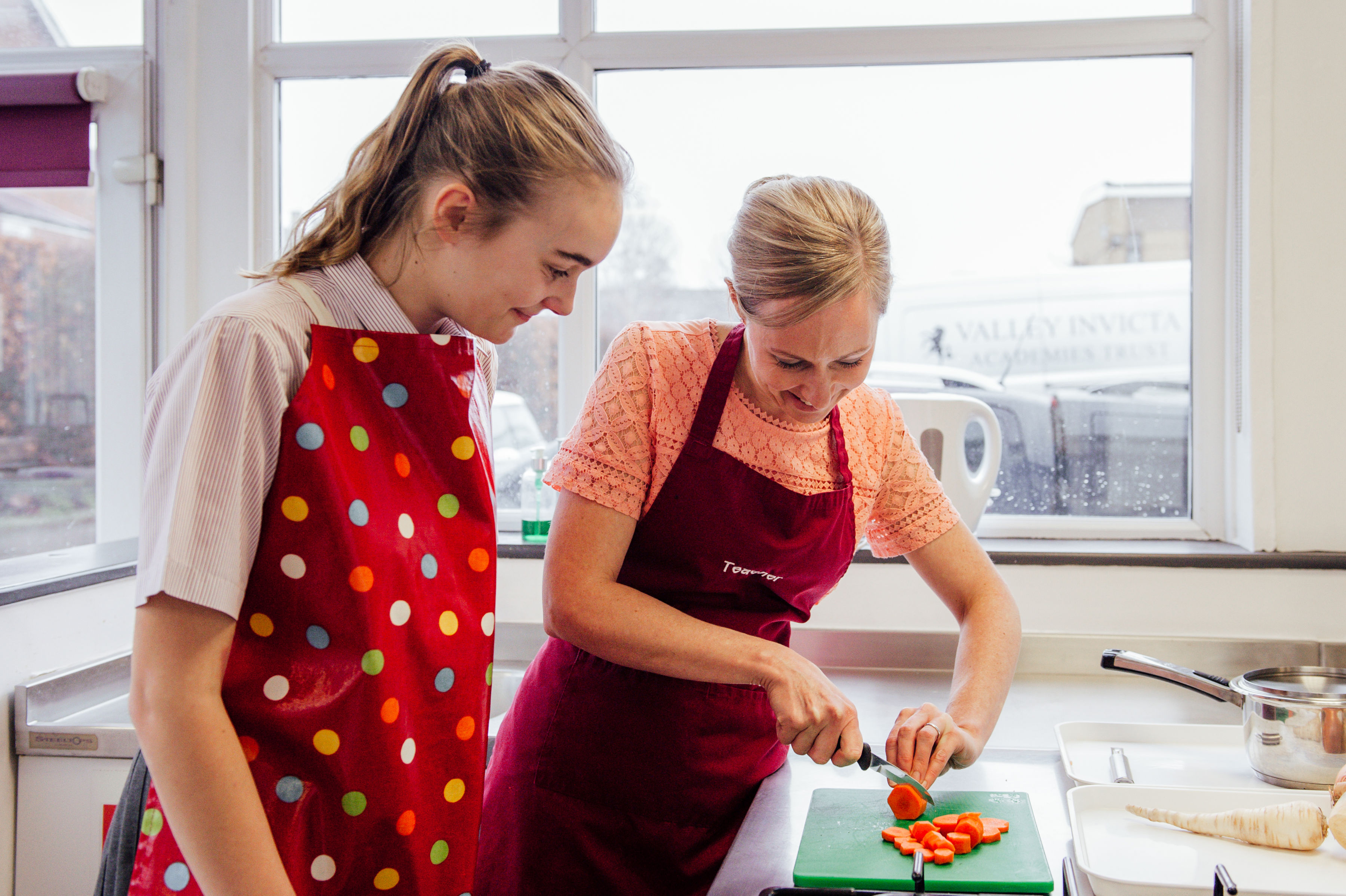
Teaching basic practical food and cooking skills gives children more control over their own choices. Simple, achievable recipes, like preparing a quick pasta dish, making a sandwich more balanced, or using leftover ingredients, can build confidence.
Importantly, these activities should reflect real-life constraints, such as limited time or budget, so that skills feel relevant and usable.
On Food- a fact of life, we have a set of short videos which can be used to help teach young people practical food and cooking skills:
Budget awareness is another powerful tool. Activities like planning a meal with a set amount of money or comparing the cost of different ingredients, can help young people understand how financial factors influence decisions. This doesn’t need to be complicated, just becoming aware of prices and value is a meaningful step.
The following resources can be used to support teaching students about budgeting and meal planning:
- A worksheet to help plan writing a recipe
- An excel sheet template to cost a recipe
- An activity to consider planning a meal around a budget
- A cooking on a budget fact sheet
Time and convenience can also be explored in positive ways.
Rather than framing quick meals as ‘bad choices’, we can teach young people how to make them better.
For example, how to add vegetables to a ready meal, choose healthier packaged options, or prepare food in advance to save time later. This reframes the idea of a ‘good choice’ as something flexible and achievable.
On Food- a fact of life, we have a selection of resources to enable students to analyse recipes and modify them accordingly.

It’s equally important to include reflection.
Encourage young people to think about their own choices: What influenced what I ate today? Was I hungry, rushed, tired, or planning ahead? This kind of reflection helps build awareness without blame and supports more intentional decision-making over time.
In addition marketing, advertising, role models, influencers, personal preferences and online content can all play a role in influencing food and drink purchases. For more inspiration when teaching the external influences on purchasing food and drink go to Food- a fact of life.
Finally, empower young people to take small, realistic actions.
This might include learning one new recipe, helping with food shopping, planning a simple meal, or making one change to a regular snack.
The goal is not perfection, but progress within their own circumstances.
Take a look at the recipe collection on Food- a fact of life for ideas. There is also a selection of resources and recipes to support globalisation and its effect on food choices.
By teaching children and young people about the conditions behind food choices and giving them the tools to navigate those conditions, we move beyond telling them what to eat. We help them understand why choices happen, and how they can shape them. In doing so, we equip them with skills that will support their health and wellbeing long into the future.
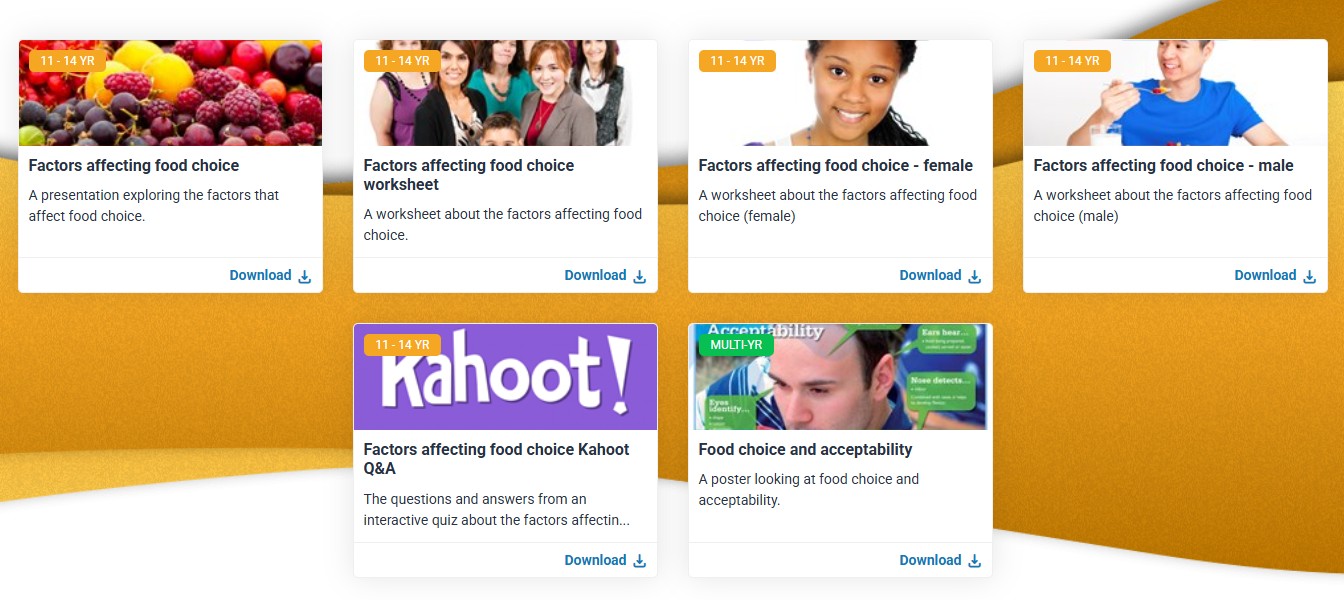
Take a look at these classroom resources to help your learners reflect on some of the factors that affect their food choices:
Rethink Food is an award-winning UK social enterprise, recognised in the NatWest SE100 Top 100 Social Enterprises 2026.
Working with schools across the UK, it is tackling hunger, health inequality and food waste through education, community partnerships and the National School Pantry Network, helping create healthier people and a healthier planet.

Is there something wrong with the page? Do you have a suggestion or would like to see something on this page?