
Topic hub: Recall, retrieval and revision
Welcome back to our Topic hub! Whether you’re helping students strengthen their understanding or preparing them to build on prior learning, recall, retrieval and revision play a powerful role in the classroom. In this Topic hub, we explore why recall and revision matter and offer a range of resources to help you bring them to life in your teaching.
Why recall, retrieval and revision matter?
Helping pupils recall and apply what they have learned is one of the most powerful drivers of progress in education. Whether you’re teaching nutrition, food hygiene and safety, or practical cookery skills, effective recall and revision strategies allow learners to build secure knowledge and transfer it to new contexts.
Recall is the process of retrieving information from memory. When pupils actively bring knowledge to mind, rather than simply re-reading or highlighting, it strengthens neural pathways and significantly increases long-term retention.
Bloom’s Taxonomy is a hierarchical framework which can support educators in planning their educational objectives. According to Bloom’s Taxonomy, the first step in learning is remembering, which includes recalling basic facts and concepts. For students to progress from simple to complex processes in their learning they must firstly learn to recall before moving to comprehension, application, analysis and finally evaluation.
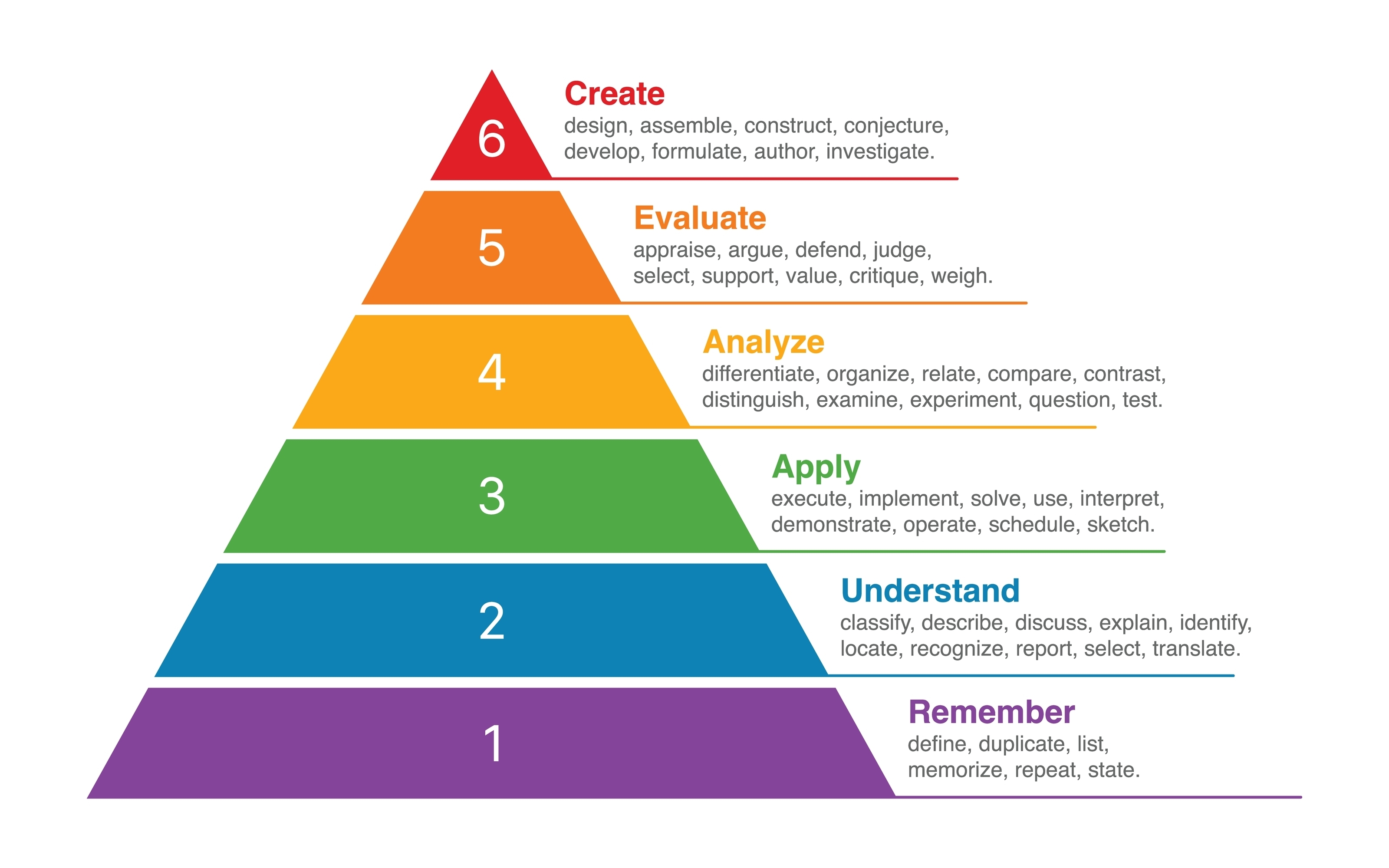
The benefits of recall, retrieval and revision for students
The ability to recall helps pupils:
- Build secure foundational knowledge
- Make connections across topics (e.g. nutrition and cooking methods)
- Apply understanding during practical lessons
- Prepare effectively for assessments
Effective recall, retrieval and revision strategies and activities
1. Short, frequent and low-stakes quizzes.
We have a selection of quizzes available on the topics of healthy eating, cooking and where food comes from. These quizzes include worksheets, answers and Kahoot, which is an interactive, online tool to engage your students with recall and revision.
- https://www.foodafactoflife.org.uk/11-14-years/activity-packs-and-quizzes-11-14-years/quizzes-11-14-years/quiz-worksheets/
- https://www.foodafactoflife.org.uk/14-16-years/activity-packs-and-quizzes-14-16-years/quizzes-14-16-years/interactive-class-quizzes/
We also have a selection of multiple-choice quizzes suitable for students to use when practicing recall. These are self-marking, so give students instants feedback on their progress.
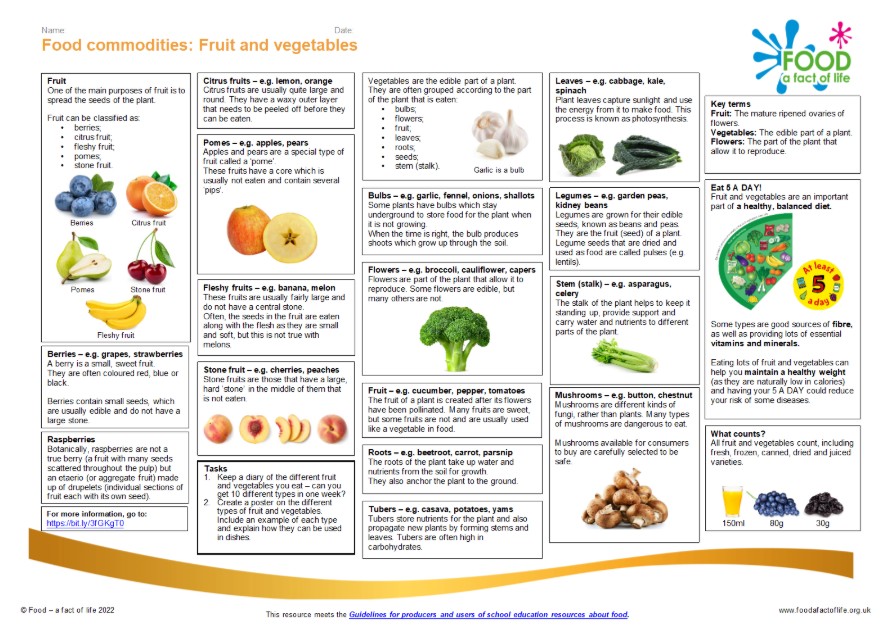
2. Knowledge organisers
Knowledge organisers provide key facts for students around healthy eating, cooking and where food comes from. The provide students with:
- key facts and what they should know and can do at each age phase;
- an opportunity to learn, check and extend knowledge;
- an opportunity to develop key subject specific vocabulary/terminology.
The knowledge organisers can be used to introduce a new topic to students, or at the end as a recall activity. They can also be edited to create a fill in the blanks style activity to help students familiarise themselves with scientific terminology or vocabulary.
- https://www.foodafactoflife.org.uk/5-7-years/knowledge-organisers-5-7-years/
- https://www.foodafactoflife.org.uk/7-11-years/knowledge-organisers-7-11-years/
- https://www.foodafactoflife.org.uk/11-14-years/knowledge-organisers-11-14-years/
- https://www.foodafactoflife.org.uk/14-16-years/knowledge-organisers-14-16-years/
3. Videos
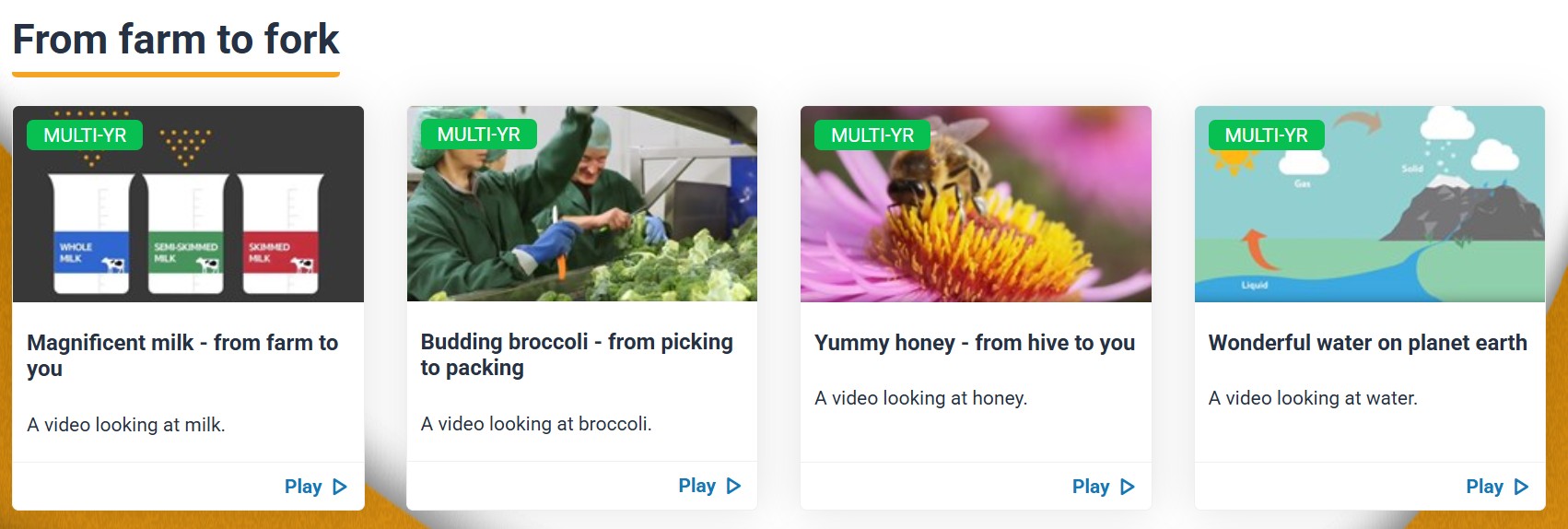
The inclusion of videos in recall or revision can help to appeal to learners with different learning styles. Videos can also be used as stimuli and can be accompanied by a set of questions or exam questions for students to answer.
These videos are based around where food comes from, and also contain relevant quizzes to accompany them.
- https://www.foodafactoflife.org.uk/5-7-years/where-food-comes-from-5-7-years/where-food-comes-from-videos-5-7-years/
- https://www.foodafactoflife.org.uk/7-11-years/where-food-comes-from-7-11-years/where-food-comes-from-videos-7-11-years/
- https://www.foodafactoflife.org.uk/11-14-years/where-food-comes-from-11-14-years/where-food-comes-from-videos-11-14-years/
We also have a selection of interactive videos with questions embedded, this allows students to recall the information as they engage with the video and content.
4. Interactive resources
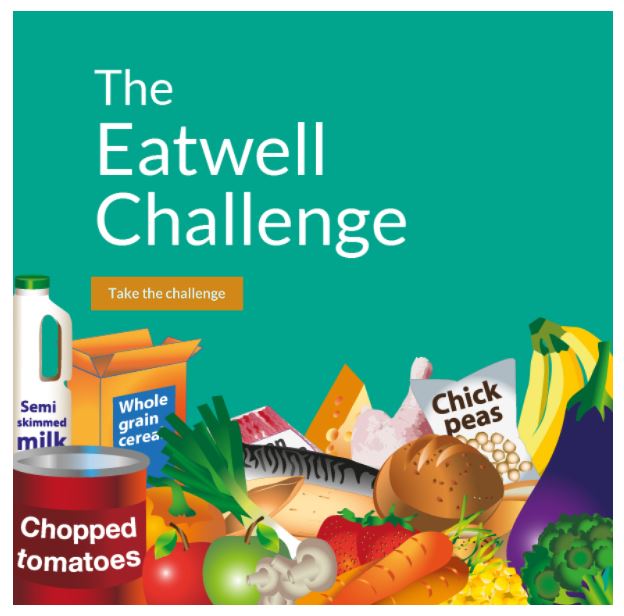
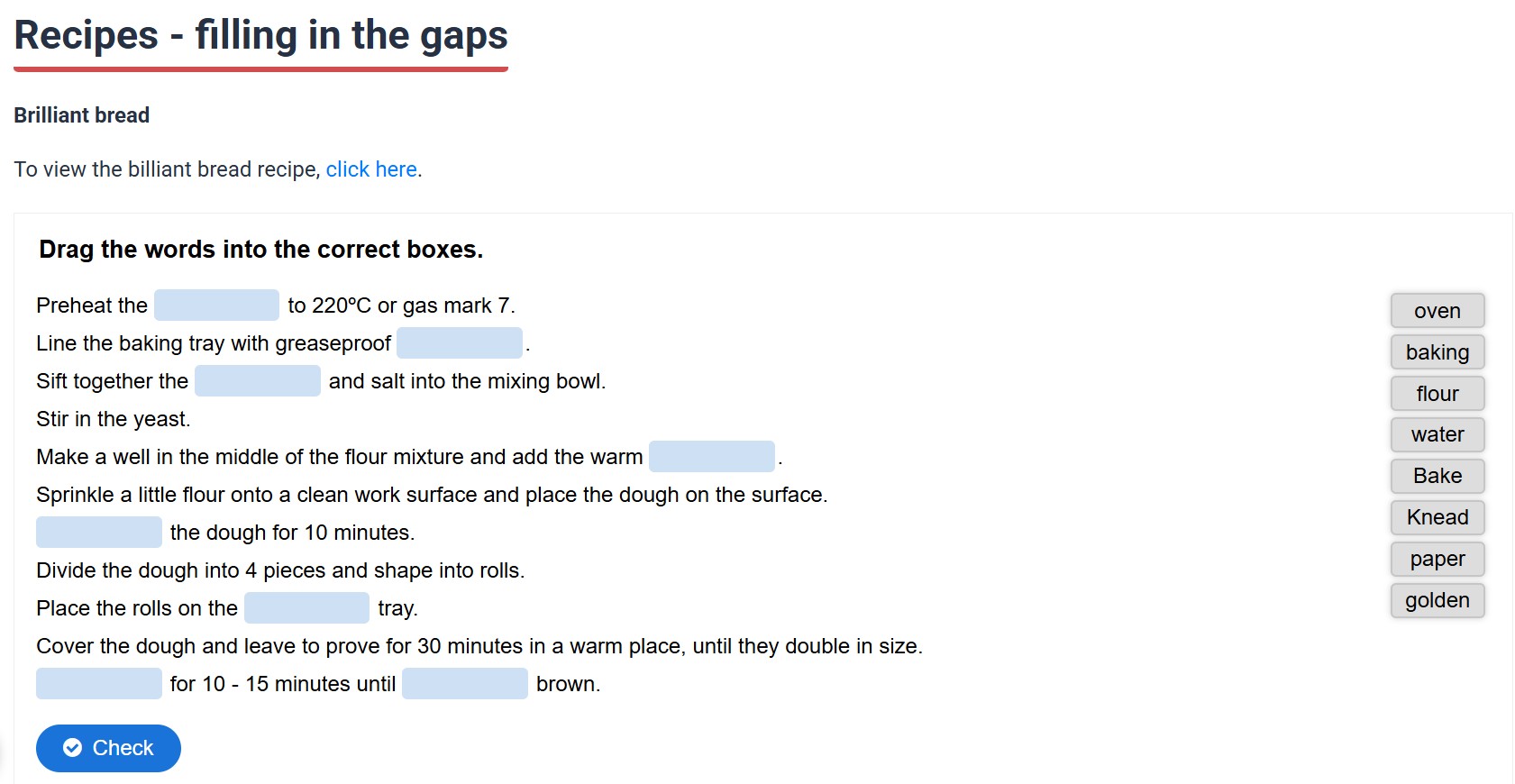
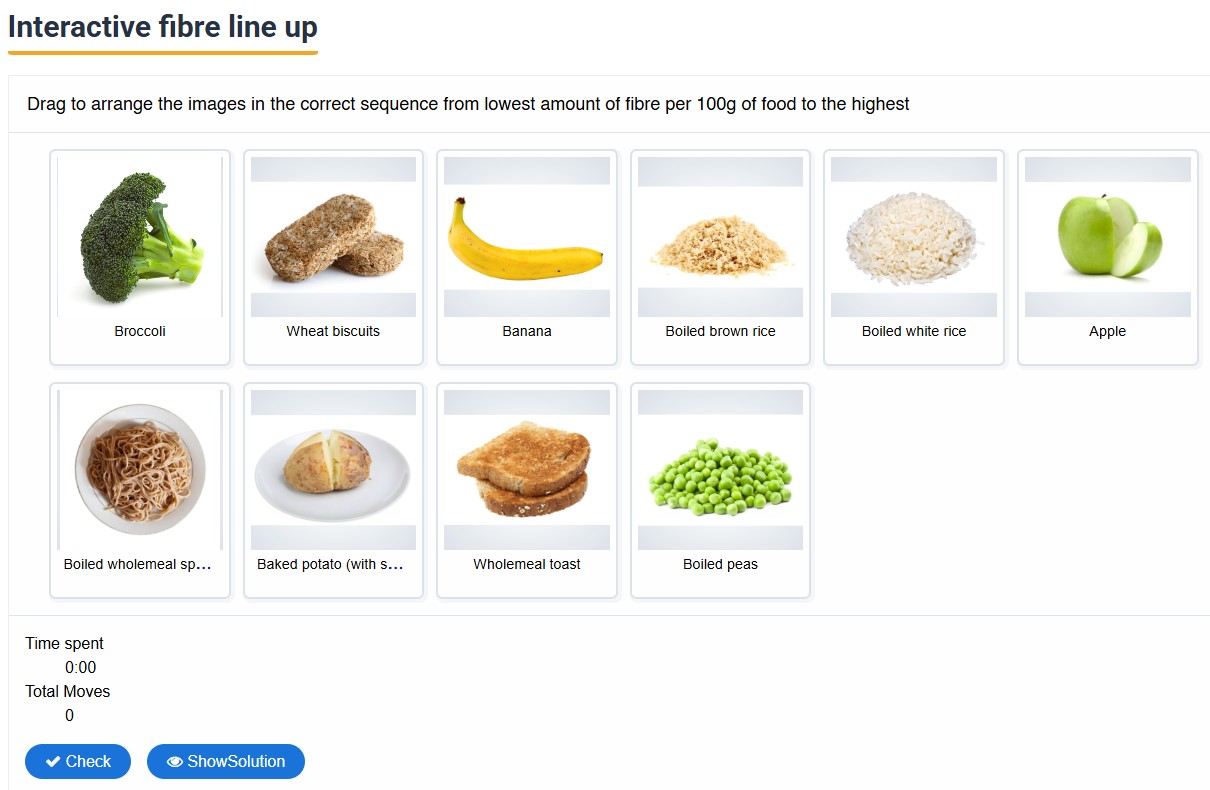
Interactive resources require active engagement from students. This strengthens retrieval pathways and reinforces memory. The interactive resources also give students instant feedback, which helps to consolidate learning.
For 5-7 years, the interactive resources include:
For 7-11 years, the interactive resources include:
For 11-14 years, the interactive resources include:
5. Flashcards
Flashcards provide a clear, quick test-and-check cycle. It also allows students to break large amounts of information into manageable chunks, helping to reduce cognitive load and help with focus.
We have many card activities which could be used as flashcards or matching activities for students.
3-5 years:
5-7 years:
7-11 years:
- Nutrient matching cards
- Nutrient cards
- World food cards
- Energy cards
- Activity and energy
- Fruit cards
- Vegetable cards
11- 14 years:
14-16 years:
This Topic hub reinforces the vital role that recall, retrieval and revision play in helping pupils consolidate and apply their learning. By actively retrieving information, students strengthen long-term memory, build secure foundational knowledge, and free up cognitive space for new concepts. Grounded in Bloom’s Taxonomy, this Topic hub reminds us that remembering is the first step that enables learners to progress toward deeper understanding and more complex thinking.
Ultimately, effective recall strategies not only support connections across topics and enhance practical performance but also equip pupils to approach assessments with confidence.
For more blogs on recall, memory retrieval and boosting students performance check them out here:

Is there something wrong with the page? Do you have a suggestion or would like to see something on this page?