
Topic hub: The science of food
Welcome back to our Topic hub. This time we are diving into the world where science and food collide! If you are planning to celebrate, British Science Week, 6-15 March 2026 then look no further for inspiration!
The theme for this year is Curiosity: What’s your question?
The theme is about encouraging children and young people to find answers to the questions they have about the world.
This is a great opportunity to inspire curiosity in your classroom!
Read on to find resources to:
- spark curiosity around the theme of food in primary schools;
- inspire teaching science through food in secondary schools.

Primary schools
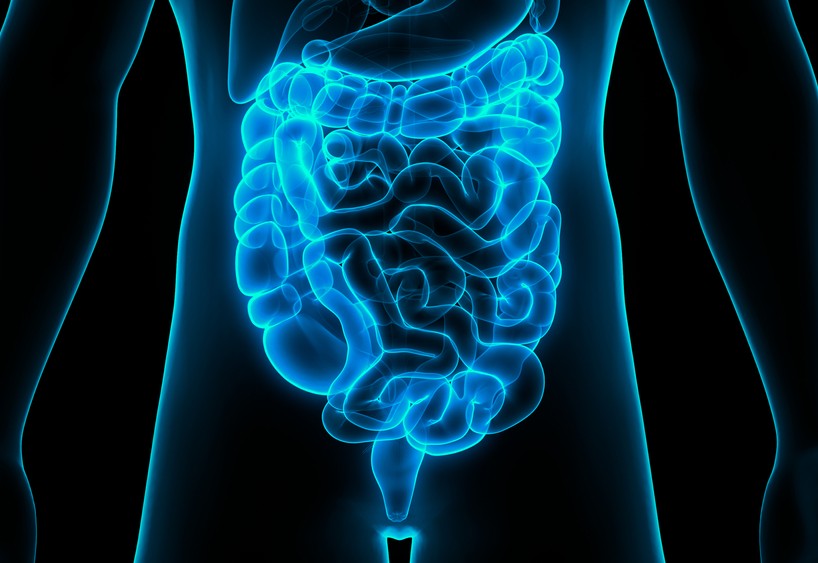
What happens to the food we eat?
Find out all about the different jobs the body does to process our food, from the moment we take the first bite!
Use the slide deck and activity sheets to help your learners digest the digestion process!
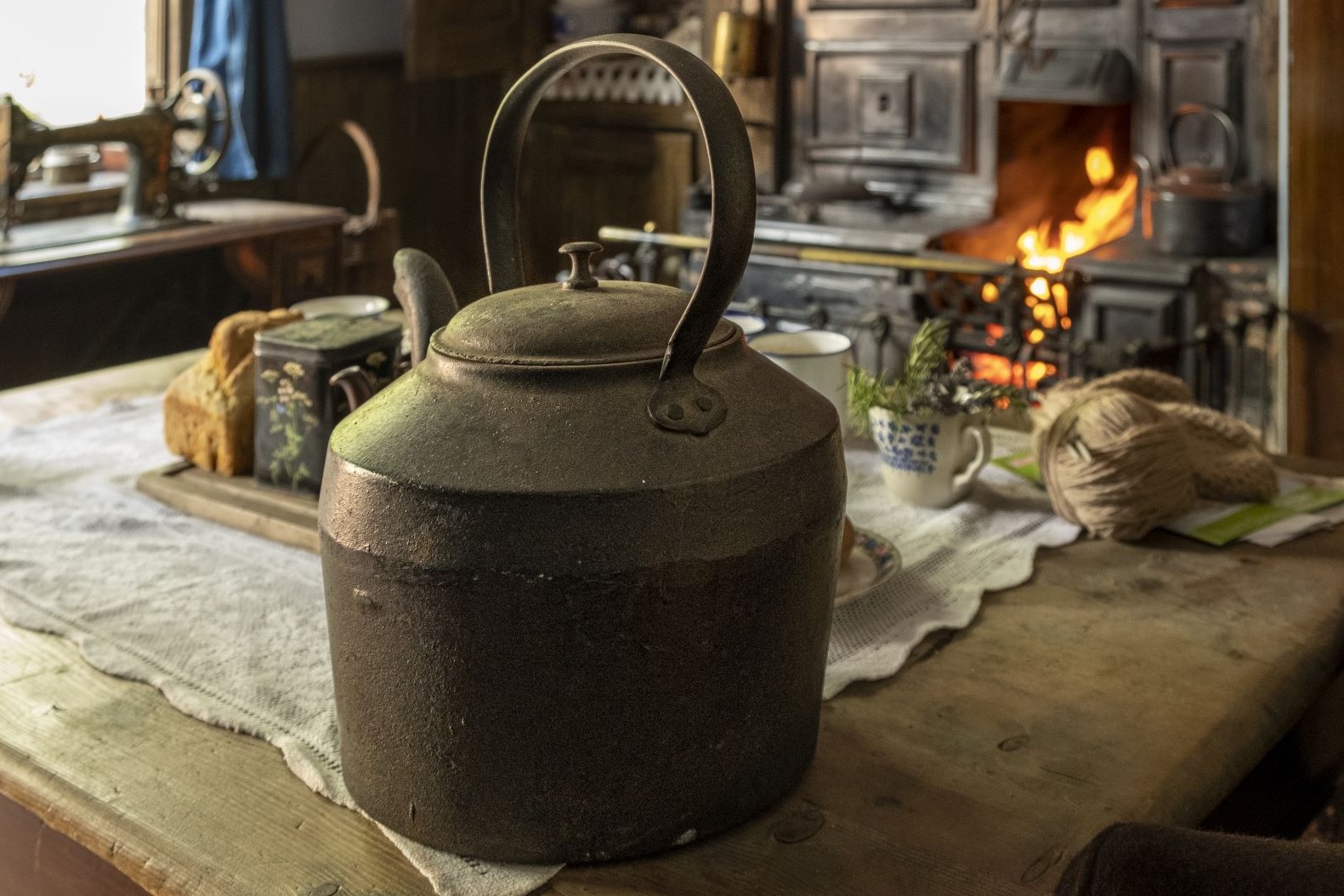
What did the Victorian's eat?
Are you studying the Victoria’s with your class? Why not turn their attention to what the Victorians ate? We have got a pack of resources to help you and your learners explore the diets of the rich and poor in Victorian times, including, what they ate, how they cooked and how they made food last without refrigerators! (Pickled herring, anyone?)
What do people eat in space?
Have you ever wondered what astronauts eat? How do they manage when everything is floating about and there is no sink, hob or refrigerator?
Take a look at our space pack to find out what and how people eat in space!

Where does our food come from?
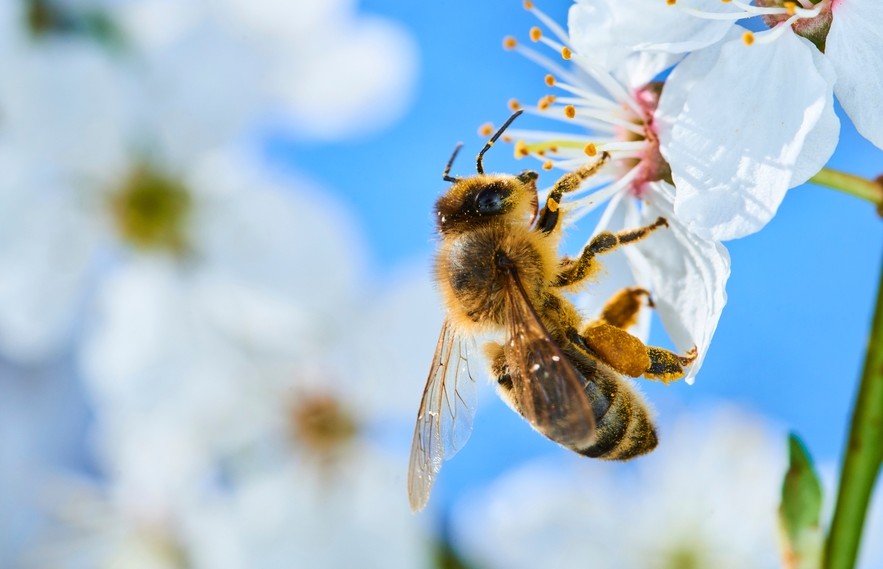
How do mushrooms grow? Where does rice come from? How is honey made?
Help your learners explore the journeys of these foods and lots of others by watching our From Farm to Fork video clips!
Secondary schools
Why teach the science of food?
“Cooking isn’t just an art; it is a science”. The process of cooking, baking, and preparing food is essentially an applied science.
There are key benefits to teaching your students the science of food, it can:
- provide practical links to the science of food and cooking through the food pupils buy, cook and eat;
- enable pupils to relate to science through everyday examples and hands-on activities and experiences;
- explore the principles of food science through practical cooking;
- support and reinforce knowledge through related experiments alongside practical cooking;
- enables students to make connections between theory and practice;
- encourage critical thinking among students;
- teaching problem solving and innovation.
Find out more about the appliance of science in this presentation. It showcases how you can teach food science through popular recipes made in schools, for example bread rolls and macaroni cheese, and quick investigations such as making an emulsion, understanding enzymic browning and homemade cheese on toast.
Are you curious about...
How to integrate scientific principles in your food classrooms?
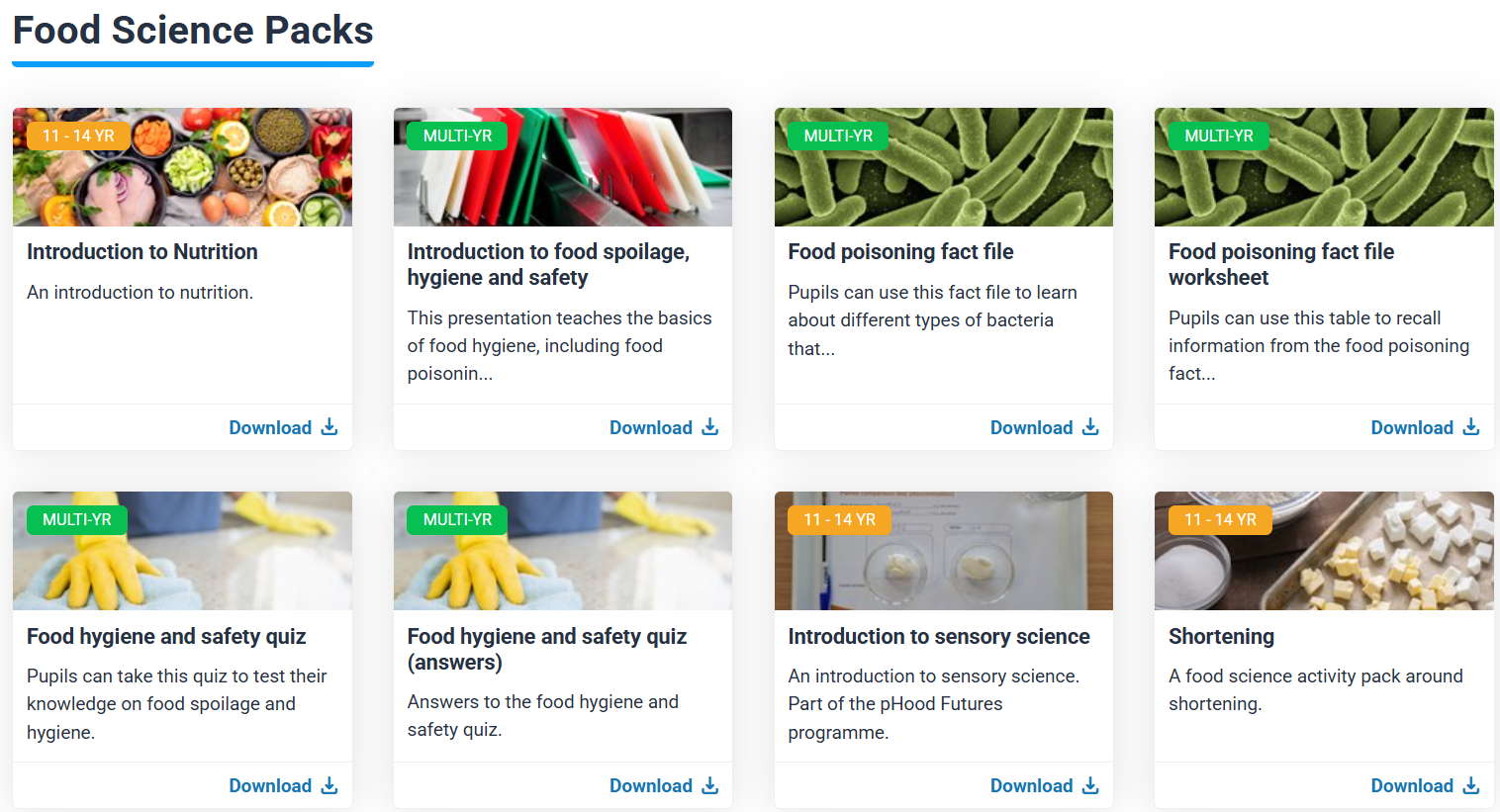
The Food science packs cover a range of scientific principles through the context of food. The packs contain presentations with information and stimulus for students and more detailed support for teachers
What is the science behind chocolate making?
Discover the science behind tempering chocolate, including tips for chocolate making. We also have a step-by-step video to share with your students.
What is the science behind cheese making?
Our cheese-making presentation and worksheet gives students the opportunity to see science in action. We also have a video to show cheese-making at a large scale.
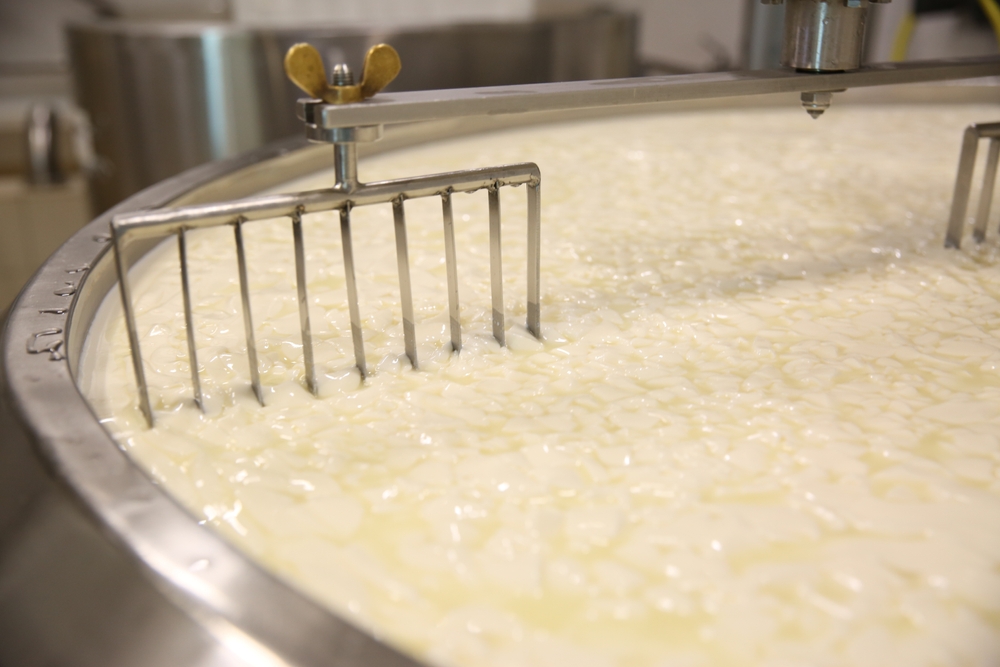
How can physical and chemical changes be seen through food?
Discuss physical and chemical changes with our presentation. It includes a butter making practical where students can experience physical and chemical changes using food as a medium.
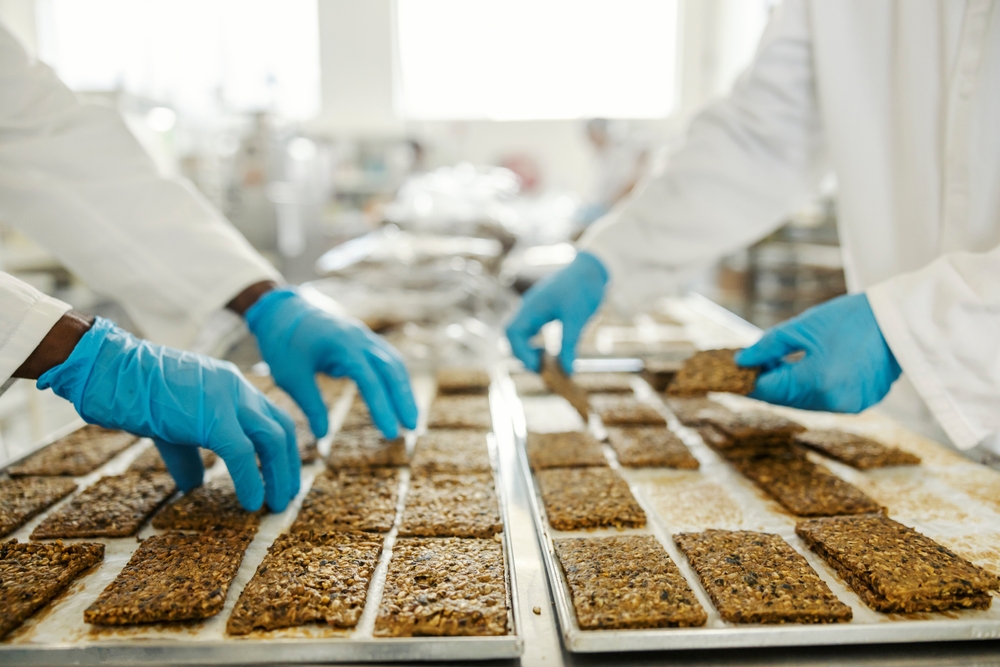
How food manufacturers decide how to change the ingredients in everyday foods to make them healthier or more sustainable?
Explore reformulation in food with your students. The activity asks students to experiment with different ingredients when reformulating biscuits.
How to introduce nutrition and the concept of food as fuel in a science classroom?
These presentations introduce nutrition and food as fuel to your students.
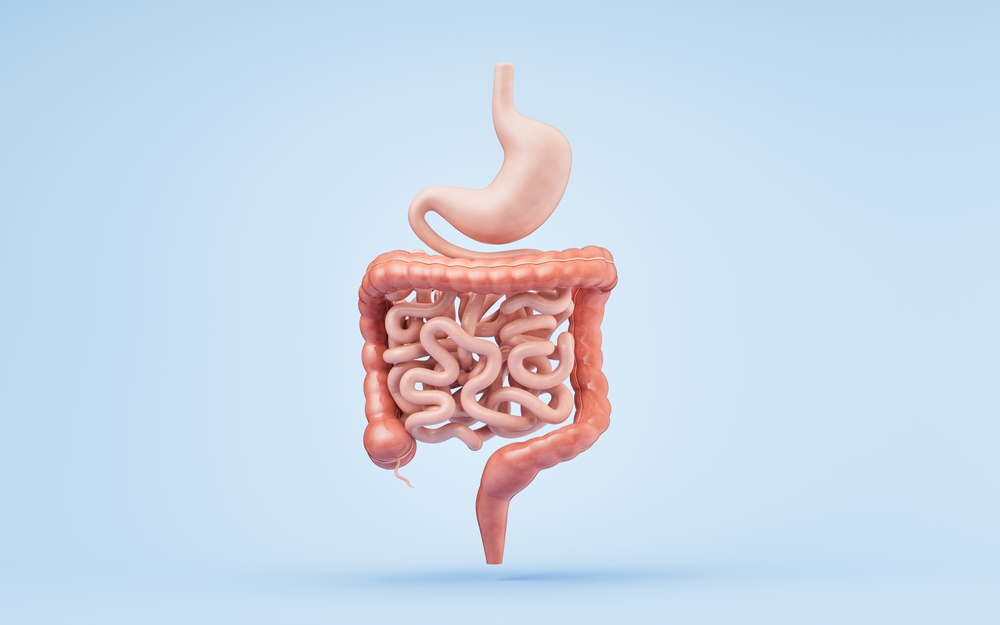
What happens to the food we eat?
These resources look at digestion including a “round the room” treasure hunt activity for your students to complete.
How you can use everyday food examples to help students explore solids, liquids and gases, and deepen their understanding of changes of state using food?
Use food and butter making to help contextualise the concept of states of matter with your learners.
How to explore the connection between diet related illnesses and our daily diet?
There is growing concern around the impact of diet related illnesses and their impact on the health and wellbeing of our society. Dive into coronary heart disease and type 2 diabetes as two examples with your students.
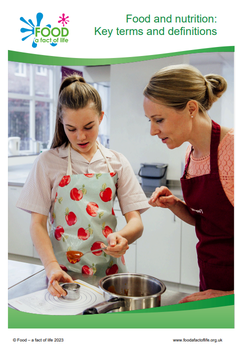
What terms and definitions are important when teaching food and nutrition?
Teaching food and nutrition to your students requires a language in itself! Use our key terms and definitions glossary to help improve your student's vocabulary.
Looking for more inspiration?
Join Barbara Monks in conversation with Orla Condon. Barbara is an experienced food teacher with an expertise in food science. Orla and Barbara discuss the importance of food science in food education, the knowledge required for students and teachers, bringing food science to life and how teachers can build confidence and curiosity among their students. Barbara gives valuable insights and offers practical advice for food teachers on embedding food science in their everyday lessons!
This conversation is part of our Essentials CPD Programme for early-career, newly qualified and non-subject specialist teachers. If you are looking for free, online professional development you can sign up here.
This topic hub explores how food and science can be brought to life in the classroom, from understanding the scientific principles behind everyday cooking to encouraging curiosity and experimentation with food.
The resources provided support teachers in making meaningful connections between theory and practice, helping learners see science in the food they eat and cook. By using practical activities, investigations, and engaging materials, educators can inspire students to ask questions, think critically, and develop valuable scientific skills through the context of food.
For more support with the science of food, check out:


Is there something wrong with the page? Do you have a suggestion or would like to see something on this page?