
Support for NEA1 2025/26
It’s that time of the year- planning has begun for NEA1 tasks for 2025/2026! Whether you are an experienced teacher, new to the subject or even a trainee teacher, Food- a fact of life has a whole host of resources to support you and your pupils through NEA1. We also have free CPD!

How can we help?
Supporting teachers with food science
For resources and support around food science, check out our Science through the context of food area. This area has a series of food science packs. The packs provide information and stimulus for pupils about the scientific principle and detailed support for teachers. Some of the food science packs include:
- Emulsions
- Enzymic browning
- Non-enzymic browning
- Raising agents
- Introduction to food spoilage, hygiene and safety
- Introduction to sensory science
We also have a Key terms and definitions resource for teachers and pupils. This resource supports pupils in the development of appropriate scientific and technical language to use in their non-examined assessments.


Supporting teachers and pupils with specific foods or ingredients
If you or your pupils are looking for resources around particular ingredients, how they are processed and their functions in food, you will find them in Food commodities area. There are resources such as resources and knowledge organisers for 11 – 14 years and 14 – 16 years.
For example:
These resources are perfect for building foundational knowledge that links directly to food investigations.
Supporting teachers and pupils with functional properties of foods, investigations and experiments
We have a dedicated Food Science area suitable for 14- 16 years where you can find resources around the functional properties of foods including:
- Fats, carbohydrates and protein
- Raising agents and colloidal systems
- Heat transfer and its effects on food
- Food functions fact sheets
We also have a selection of food science experiments, investigations and experiment sheets.
The food science experiments can be performed in the classroom. Some of our experiments include:
- Enzymic browning
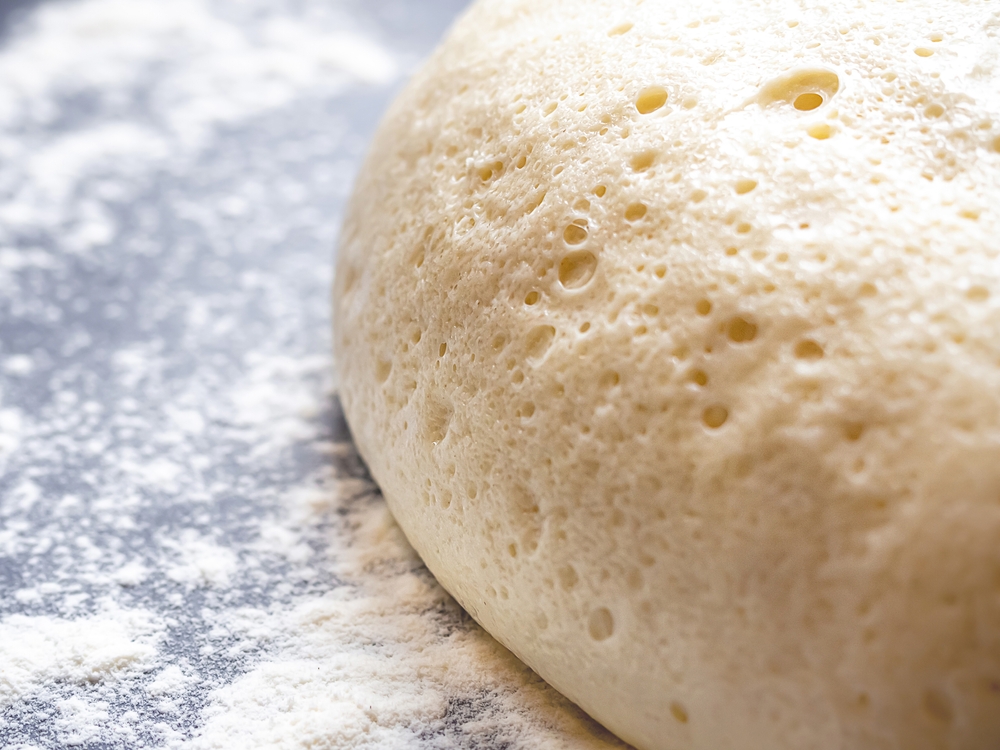
- Biological raising agents, there are also resources and recipes to support teaching about biological raising agents, in particular yeast, in the making and baking bread area. If you have shorter lessons, you could make Quick bread buns, which can be made and cooked within an hour. This new recipe support pack will make a lesson on bread easy!
- Chemical raising agents
- Emulsions
Making butter is a fantastic way to demonstrate the science behind an emulsion. Simple to do, with little equipment, your pupils will love seeing the physical changes take place whilst learning about emulsions, as well as reversible and irreversible change, in a fun way!
Why not make bread and combine learning about emulsions with biological raising agents?
There are also food investigations, where food science knowledge can be utilised in investigating a range of foods. Some of the investigations include:
- Sugars in cakes
- Fats in cakes
- Ingredients that thicken a vegetable soup
- Comparing different custard making methods
- Comparing different chocolate mousse making methods
These food investigations are ideal as a quick activity to get your pupils ready for the real thing!
There are also experiment sheets that can be used to test for the presence of different nutrients in foods.
Supporting your pupils through evaluation and sensory science

Evaluation is an important part of non-examined assessments, introduce your pupils to the world of sensory science with the senses and how they affect food choice. Revisit the essentials with our guide to sensory evaluation.
Build your pupils vocabulary using our sensory vocabulary and using your senses posters.
Consider what sensory evaluation tests will be suitable for your pupils NEA. The excel version of the sensory evaluation tests can be edited by pupils. We also have sensory evaluation worksheets to help in the planning and implementation of your sensory evaluation tests. Some sensory evaluations your pupils may consider:
These resources are designed to make sensory evaluation accessible and effective.
Finally, are you a trainee teacher, new to the profession, or a non-subject specialist delivering food and nutrition in a secondary school this year? Register for our Essentials CPD course for free, in depth and experience led advice and training for teaching food and nutrition, including managing non-examined assessments.
Also, if you are a teacher working in London or the surrounding areas, why not join us for a free in-person networking event with the National Bakery School (NBS) on Wednesday 1 October? As part of the networking event, there will be a demonstration from NBS expert course tutors which will support the use of, and explain the science behind, the different ingredients and methods used to make baked goods. Book your place now!
Good luck to you and your pupils as you explore the world of food science, food investigations and non-examined assessments. Remember for more support contact education@nutrition.org.uk

Recipes for NEA1
Is there something wrong with the page? Do you have a suggestion or would like to see something on this page?